Anxiety in Athletes: Why It Happens and How to Handle It
by Melisa
•
Feb 27, 2026
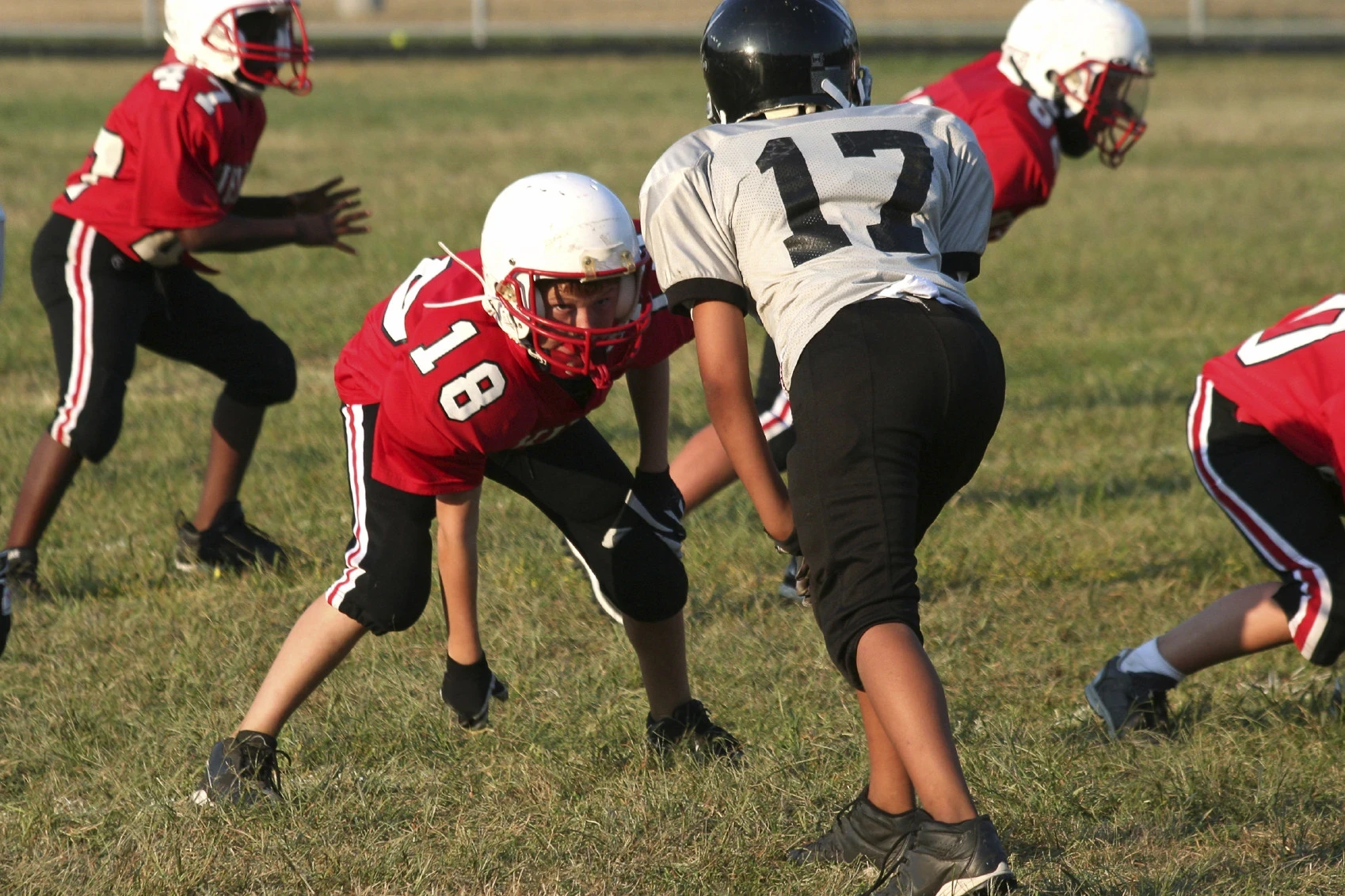
Let me guess. You’re reading this because you’ve had at least one moment where you thought, “What is happening to me?” Not in a dramatic way. More like genuinely confused. Because you’ve done the work. You’ve practiced. And then the game starts and suddenly your body feels different. Your brain gets busy. You start thinking about things you normally don’t even think about. And the more you try to force it, the worse it feels.
And don’t get me wrong, nerves can be completely normal. You care, and your body is responding to something that feels important. But sometimes anxiety in athletes stops being a little adrenaline and starts taking up too much space. It changes how you play, how you decide, and how much you trust yourself in the moment. So let’s slow it down, make it clear, and give you a plan you can actually use.
What anxiety in athletes can look like
Sometimes it looks like nerves before a big game. Sometimes it looks like your mind going blank mid-play. And sometimes it looks like getting unusually angry, shutting down, or suddenly playing way more cautious than you normally do.
You might notice things like:
Feeling fine in practice, then freezing when it counts
Overthinking simple skills you normally do automatically
Tight shoulders, shaky hands, a racing heart, or a weird stomach
Avoiding certain situations (taking the shot, calling for the ball, being aggressive)
Replaying mistakes after the game and feeling stuck on the “one thing” you did wrong
A lot of athletes describe it as: “I know what to do… I just can’t do it right now.”

Why does this happen to you?
When something matters to you (making the team, earning minutes, not letting people down) your brain treats it like a high-stakes situation. Stress goes up, and anxiety can kick in fast. That doesn’t mean you’re weak. It usually means you care, and your system is on high alert.
It also tends to show up more when you’re:
Coming back from an injury
Playing at a new level or in a new role
Putting a lot of pressure on yourself to be perfect
Worried about what coaches, teammates, parents, or the crowd think
Why your brain and body team up against you under pressure
Here’s what people don’t always tell you: this isn’t just “in your head.” Your body gets involved too. One second you feel fine, and the next your heart is pounding, your breathing feels off, your hands feel shaky, and your brain is moving so fast you can’t grab onto one thought long enough to use it. Then you try to make a split-second decision and everything suddenly feels harder than it should.
What’s happening is actually pretty simple. Your brain decides the moment is high-stakes. Not “there’s real danger here” high-stakes, but “this matters and I really don’t want to mess up” high-stakes. And your body responds like it was designed to: fight, flight, or freeze. Your muscles tighten. Your breathing gets shallow. Your vision narrows. And instead of your skills running on autopilot like they do in practice, your brain starts trying to control every detail. That’s when timing gets off, coordination feels weird, and confidence takes a hit.
And no, you didn’t suddenly forget how to play. Your nervous system just flipped into protection mode, and it’s hard to be smooth and athletic when your body thinks it has to protect you from the moment.
Recent Posts:
Search Here...
Search
Learn About Melissa
Hi I'm Melissa! Ever since I was young, I’ve been passionate about helping families grow stronger together. At Wellnest Counseling, I combine my expertise in play therapy and parenting support to bring peace and joy to your home.

“Working with a therapist doesn’t mean you’re weak."
- Melissa
What helps in the moment
Start with your body first. Slow your exhale. Drop your shoulders. Unclench your jaw. Those small moves send your brain the message that you’re safe. Then shrink your focus down to one simple job: your next assignment, your next step, your next play. Anxiety gets louder when you try to carry the whole game in your head at once.
If it helps, use a short phrase you repeat to yourself; not to hype yourself up, but to stay grounded. A few examples:
“Next play.”
“One job.”
“Breathe and move.”
These quick resets help in the moment. Long-term, it usually comes down to practicing recovery after mistakes and building a steady routine that keeps pressure from taking over. If anxiety keeps showing up anyway, getting support can make a big difference.
How to know it's time to ask for help
Quick tools help, but if this keeps showing up week after week, it’s worth getting support.
It might be time to get support if:
You’re avoiding practices or games
You feel panic symptoms (can’t breathe, dizzy, nauseous)
Your sleep or mood is getting worse
You can’t enjoy the sport anymore
You’re constantly tearing yourself down and can’t “turn it off”
Working with a therapist doesn’t mean you’re weak. It means you’re taking your mind seriously the same way you’d take your body seriously if you were injured. A therapist can help you build tools for pressure, confidence, and anxiety so you can get back to playing your game.——
Take the Next Step Toward Calmer, More Confident Performance
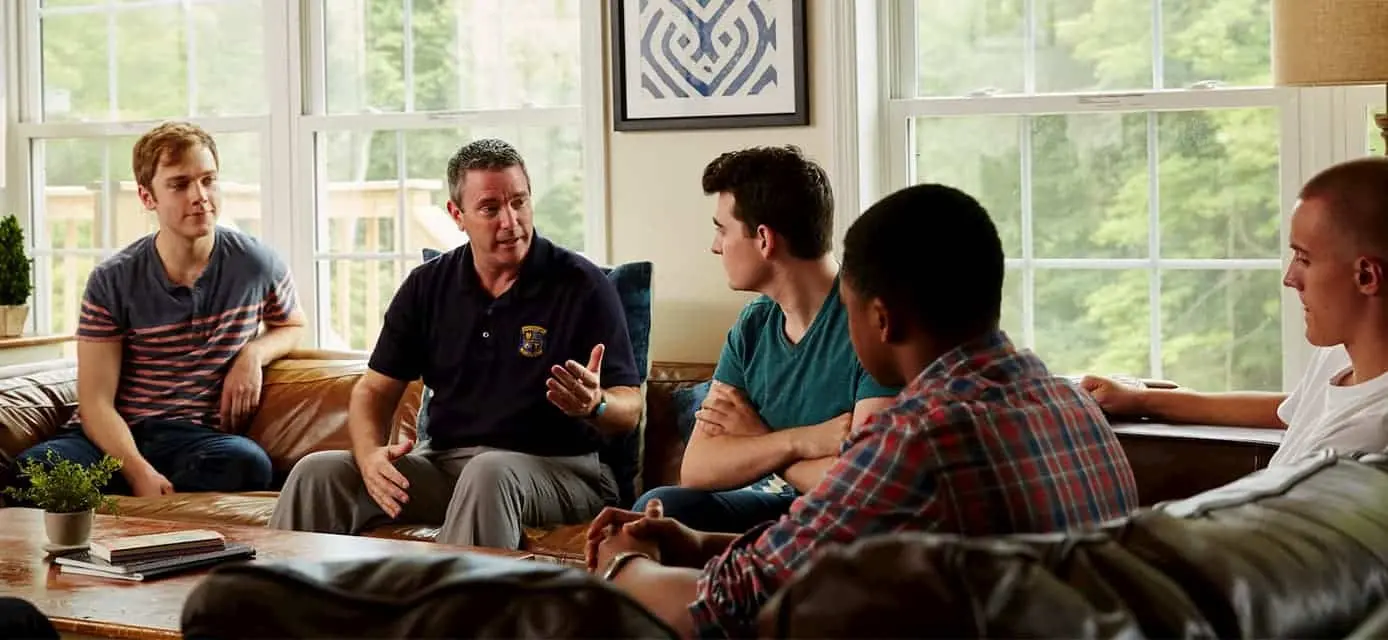
If your brain won’t turn off during games, or you’re tired of feeling tight and in your head, you’re not alone. The good news is you can learn skills that actually help. Our Sports Counseling Group for Boys is built for athletes who want practical tools for pressure, confidence, and focus so they can reset faster and play like themselves again.